Drop-In Session or Booked Workshop? Choose by the Shape of Your Afternoon
Choose a drop-in session or booked workshop by matching its structure and commitment to your free time, energy, and appetite for a planned afternoon.

You have a free afternoon, a half-finished coffee, and no desire to turn a pleasant gap into a military operation. A drop-in session or booked workshop can both fill it well, but the better choice depends on how much time and attention you can actually offer.
Imagine Maya has an open afternoon between a morning appointment and dinner at home. She would like to make something, but the appointment may run late, and she does not know how focused she will feel afterward. Her decision is less about which activity sounds more impressive than about what kind of commitment the day can comfortably hold.
Start with the shape of the available time
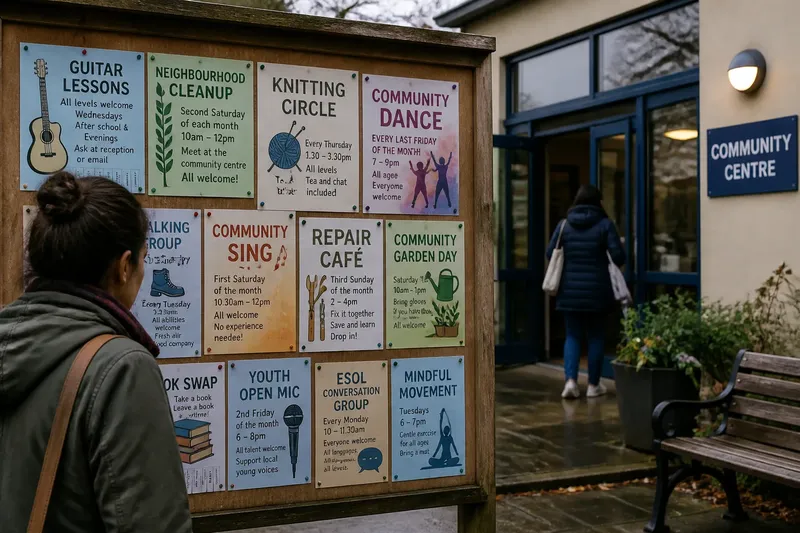
A drop-in usually lets visitors arrive within an open period and take part without signing up for a specific start time. A booked workshop sets a defined beginning and often asks participants to stay for a planned session. The venue’s description matters: some drop-ins still have set rounds or limited places, while some workshops allow late arrival.
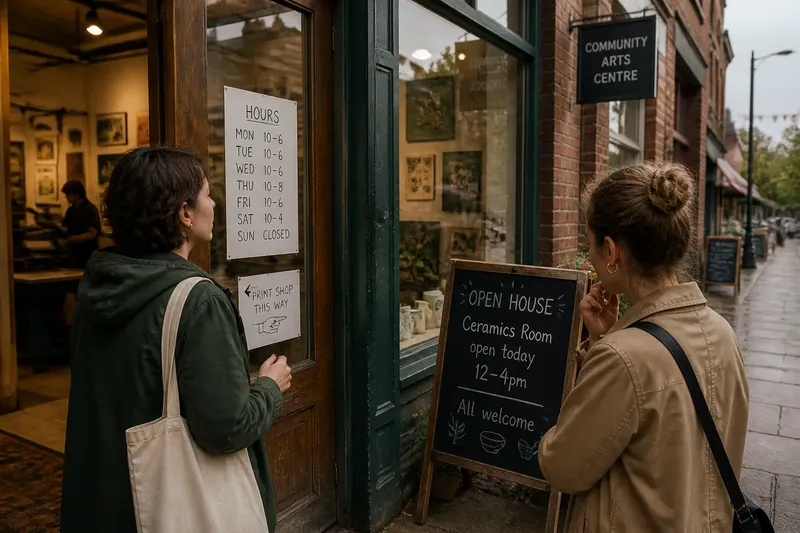
Maya checks the afternoon’s moving parts. If her appointment ends on time, she has a generous stretch; if it runs over, her free time shrinks. She decides that being expected at a particular hour would make her keep watching the clock, so she looks first at an open studio session at a neighborhood arts center.
Think of the choice like deciding between a loose-lidded tote and a fitted lunchbox. One makes room for whatever the day brings; the other keeps a particular plan contained. Neither is better in itself. The useful question is which shape fits today.
Notice what the activity asks of your attention
Open sessions often suit people who want to browse, try a simple activity, or leave when their interest fades. A community pottery studio might offer a table for hand-building, with staff nearby to explain the materials. A booked class may instead build toward a specific result, such as learning a printmaking technique through a teacher-led sequence.
Maya is curious about screen printing but knows she may arrive mentally tired. The arts center’s drop-in table offers a small, self-directed paper-print activity, while its booked workshop covers a longer process with demonstrations and guided practice. She chooses the table because she wants room to ease in rather than follow a lesson from its opening explanation.
This is not a judgment about skill. Beginners can enjoy a scheduled class when clear instruction is reassuring, and experienced makers can prefer an informal session when they want to experiment. Ask yourself whether you would rather decide what to do as you go or have someone shape the activity for you.
Check the practical commitment before deciding
“Drop-in” does not always mean walk through the door with no preparation. A venue may ask visitors to reserve a place, pay at reception, use shared materials, or join only while space is available. A workshop may require advance booking, a nonrefundable fee, or particular clothing or supplies.
Before choosing, look for the details that affect your actual afternoon:
- Arrival window: Can you come at any point, or must you be there for the opening?
- Expected duration: Can you leave freely, or is the activity designed as one continuous session?
- Space and booking: Is walk-in capacity likely, or should you reserve a place?
- Materials: Are tools and supplies provided, shared, or brought by participants?
- Payment terms: Do you pay on arrival, book in advance, or risk a charge if plans change?
- Access and comfort: Are there seating, noise, mobility, or clothing details that could affect your visit?
For requirements that depend on the venue, follow its current listing and staff guidance. If a detail is unclear, a short call or message can prevent an awkward surprise at the door.
How do you choose between the two formats?
What is a drop-in session best for?
A drop-in works well when your arrival time is uncertain or you want control over how long you stay. It can also suit a low-pressure first visit, because you can observe before joining and leave when you have had enough.
When is a booked workshop the better fit?
Choose a workshop when you want instruction, a planned sequence, or time to work on a particular skill. The scheduled start can help you commit to an activity you might otherwise postpone, provided your day can support that fixed appointment.
Can you join a drop-in without experience?
Often, yes, especially if the venue describes the activity as suitable for beginners or offers staff support. Check what help is available rather than assuming that informal means self-explanatory.
What if your plans might change?
Favor the option with the more forgiving arrival and cancellation terms, and check those terms before paying. If neither format allows much flexibility, a short visit to ask about future sessions may be more comfortable than booking under pressure.
Let Maya’s afternoon change the decision
At the arts center, Maya finds a sign explaining that the activity table is open during the afternoon and that visitors can ask a staff member for a quick introduction. She arrives later than first planned, takes a few minutes to watch how the paper and ink are being used, then joins in. When her attention begins to wander, she stops without feeling that she has abandoned a class.
Now imagine the same afternoon with one change: Maya’s appointment finishes early, she feels rested, and she wants to understand how a complete screen print is made. In that version, she books the workshop. Its set start and guided sequence are not burdens; they are precisely what make the longer activity appealing.
The result in both versions comes from matching the format to the day, not from trying to predict whether one kind of outing is universally more enjoyable. If the afternoon is unsettled, prioritize a flexible arrival and an easy exit. If you have the time and want to learn something in order, choose the scheduled session.
Choose the commitment you can enjoy
Before heading out, picture the moment you would feel most at ease: arriving whenever the day allows, or having a place waiting at a set time. That small distinction can tell you more than the activity’s title.
For Maya, the drop-in session made sense because her time and energy were uncertain; on a calmer day, the booked workshop would offer the structure she wanted. Use the same test when choosing a drop-in session or booked workshop: leave enough room for the afternoon you actually have, and the activity can become part of it rather than another demand on it.